



Company News
Company News
What exactly is the integration of hardware and software? Why are more and more products relying on it?
Author:RUNMTEK
Publication Date:2026-01-07
Page Views:39
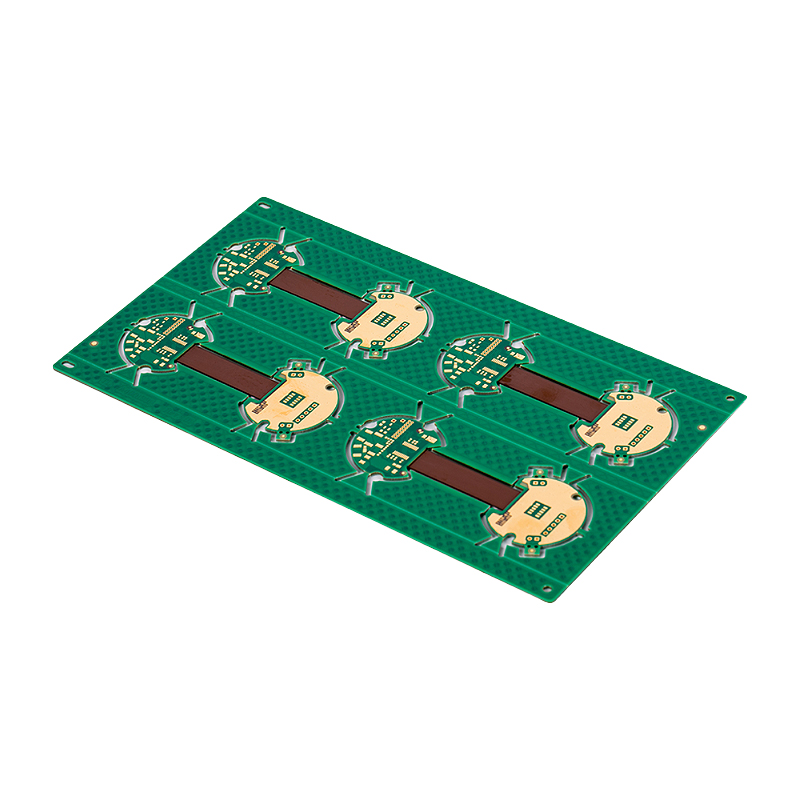
Rigid-Flex PCB, in simple terms, refers to an integrated circuit board that combines a "rigid board (rigid PCB)" and a "flex board (FPC)".
It is not a mere assembly of "rigid board, flex cable, and connector", but rather a unified whole formed through the same material system and process, where the rigid part is used to support the components and the flexible part is used for bending and routing, and finally laminated into a single unit.
You can understand it as: combining the original structure that requires "rigid board, flexible cable, socket/welding" into a more compact and reliable "whole machine frame".
What does the integration of software and hardware actually look like?
Rigid: Like a regular PCB, it features component placement, soldering, BGA/IC assembly, load-bearing capabilities, and screw holes for fixation
Flex Zone: Like FPC, it can be bent, responsible for cross-zone connections, passing through shafts/hinges, and bypassing structural components
Connection method: The soft zone and the hard zone are different areas of the "same board", and are not connected by plugs and sockets
Common forms: Foldable type, laminated type, multi-board interconnection type (such as one main board with two small boards, connected by a flexible area in between).
Why are more and more products relying on the integration of hardware and software?
The core reason can be summed up in two words: smaller and more stable. To elaborate, there are mainly these "hard values".
1) Space-saving: More compact structure, higher design freedom
The internal space of many products is already crowded with batteries, screens, cooling systems, and cameras.
The integration of hard and soft components allows the circuit to "follow the structure", reducing the volume and height occupied by connectors, making it particularly suitable for:
Folding screen/flip/hinge structure
Wearable devices (watches, headphones)
Camera module, miniature medical equipment, drone
2) Reducing connectors: taking reliability to the next level
Common link in traditional solutions: rigid board ↔ connector ↔ FPC ↔ connector ↔ rigid board
The more connectors there are, the more problems there are: loosening, poor contact, oxidation, vibration-induced detachment, solder joint cracking
The combination of soft and hard components shortens this link, reduces failure points, and enhances shock resistance and impact tolerance.
3) More suitable for high-frequency and high-speed signals: the signal is cleaner and more consistent
What are the concerns for high-speed signals? They are concerned about connectors, impedance discontinuity, and excessively long traces.
The integration of hard and soft components transforms cross-board interconnection into "continuous routing", which is beneficial for:
High-speed data (such as cameras, displays, USB/high-speed interfaces)
RF/antenna related layout
A more stable and consistent signal chain is needed
4) Simpler assembly: Reduce processes, labor, and rework
Connector insertion, cable fixing, latching, reinforcement, tape fixing... These are all assembly costs.
The integration of hardware and software can reduce the number of parts and assembly steps, often resulting in significant savings in large-scale production.
Why don't all products adopt a combination of hardware and software?
It also has thresholds, mainly in three aspects:
Higher cost: Complex materials and processes (lamination, window opening, reinforcement, interlayer structure)
The design requirements are higher: routing in the bending area, copper foil routing, lamination, impedance, and bending radius all need to be considered
Stricter reliability verification: Testing is required for bending life, temperature cycling, delamination, and cracking
Therefore, it is typically used in products where space is limited, reliability is highly required, the presence of too many connectors poses a high risk, or high-speed signals are more sensitive.
Hot News
-
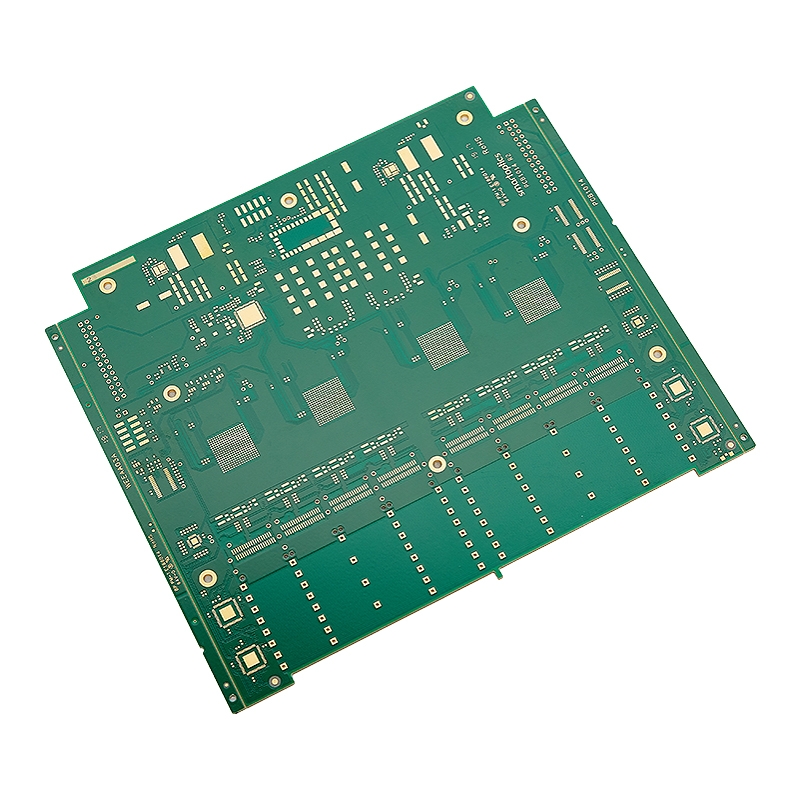 How to solve the warping and deformation problem during the lamination process of high-level HDI boards?2026-01-07
 -
 What technical challenges does the localization substitution of PCB circuit boards face?2026-01-07
 -
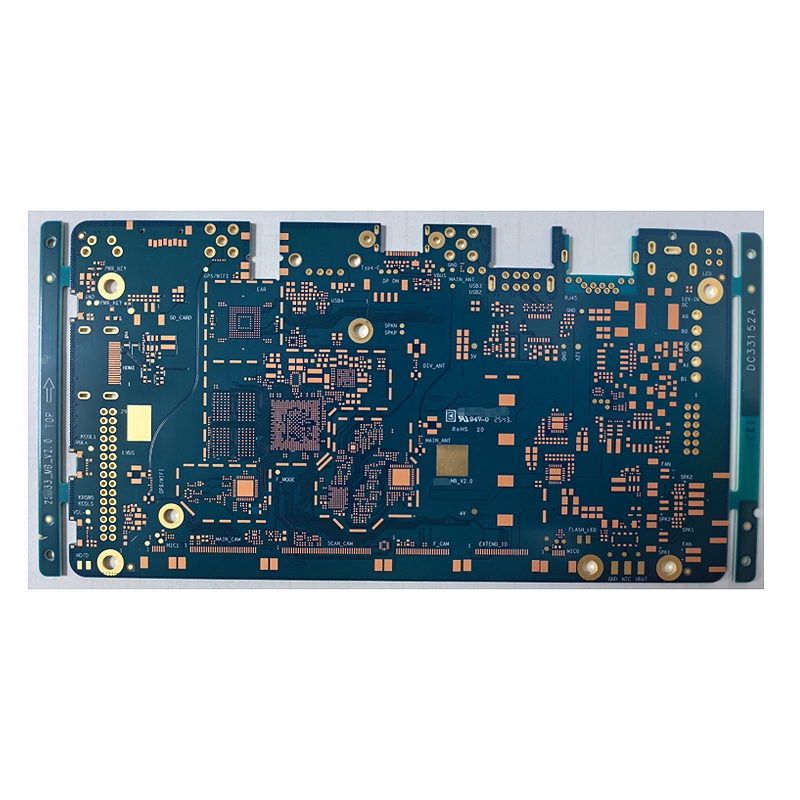 How can we overcome the technical difficulties in microvia processing for high-level HDI boards?2026-01-07
 -
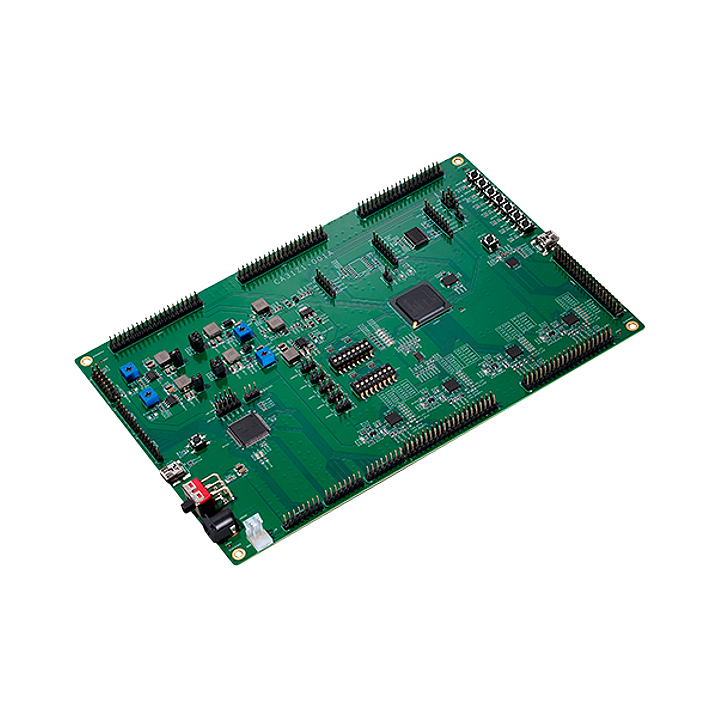 What are the benefits of prototyping and sample making for automotive circuit boards?2026-01-07